
Written scope with line items
Roof tear-off vs overlay, deck inspection, underlayment type, starter/eave details, ridge cap, and how penetrations and walls will be flashed.
Serving Columbus, Ohio & surrounding areas
Mon–Sat · 7am–7pm
Compare options, get a clear scope, and choose an installer who understands Central Ohio weather, ventilation, and clean flashing details.
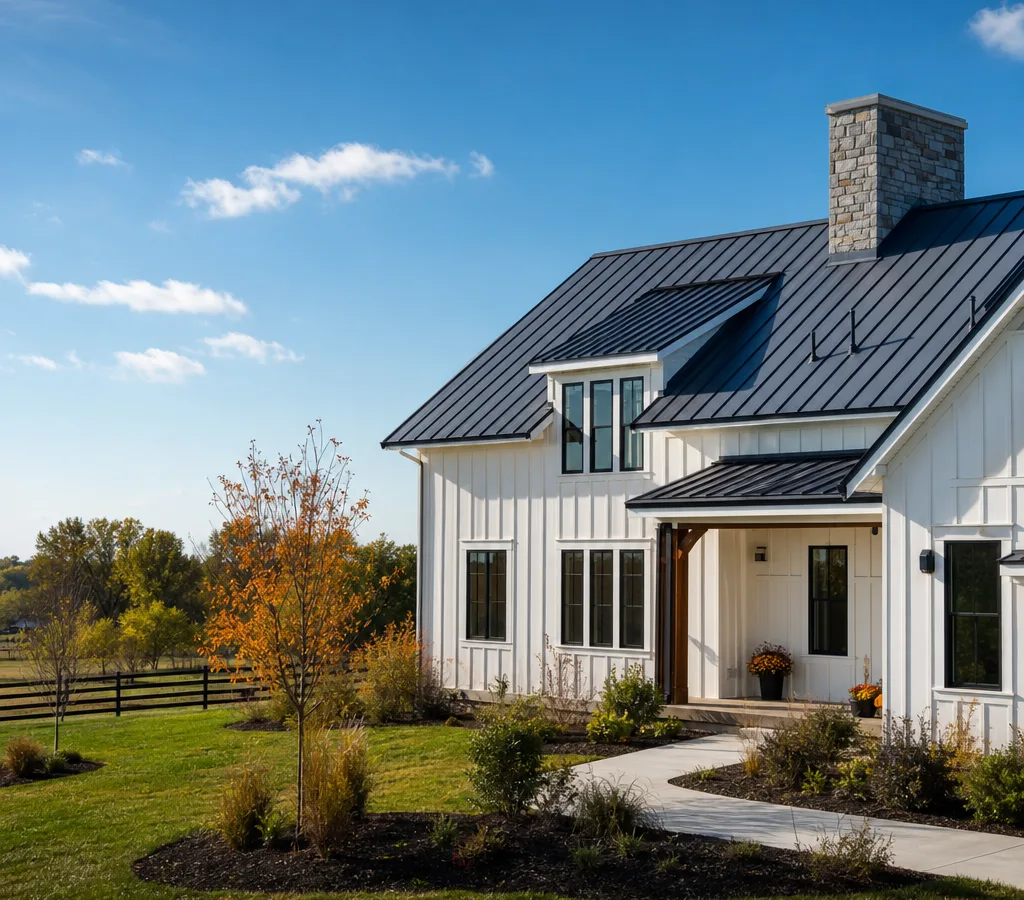
If you are searching for metal roofing companies columbus ohio, you are usually trying to answer two questions fast: which metal roof system actually fits your building, and who will install it correctly. A metal roof is a system, not just panels. The underlayment, ventilation, edge metal, fasteners, and flashing details around chimneys, walls, skylights, and pipe penetrations matter as much as the metal you can see.
At Metal Roofing Columbus, we help homeowners and building owners in Columbus, OH sort through the options and get a written plan before work begins. That plan should spell out the roof type, gauge and finish when applicable, how valleys and transitions will be handled, how intake and exhaust ventilation will be addressed, what gets replaced at the eaves and rakes, and what will happen to gutters, downspouts, and roof accessories.
Central Ohio’s freeze-thaw cycles, heavy spring rain, and wind events test edge details. Good bids address drip edge, ice-and-water membrane placement, and how the roof will tie into walls and masonry. If a quote stays vague on these points, it is hard to compare companies fairly.
Most metal roofing companies in Columbus work with a few common systems. The right choice depends on roof slope, the look you want, and how your roof is framed.
Standing seam (concealed fastener): A premium option where panels lock together and fasteners are hidden. It is popular for clean lines and for reducing exposed fastener maintenance. It can be a strong fit for many residential and light commercial roofs when the slope and details are right.
Exposed-fastener panels: Often used on outbuildings and some residential applications. These systems can be cost-friendly, but long-term performance depends heavily on correct fastener pattern, washer seating, and periodic inspection.
Metal shingles or tiles: These aim for a more traditional look. They can be a good fit when a neighborhood aesthetic matters, or when a homeowner wants metal performance without a panel appearance.
In areas like Clintonville and Olde Towne East, older roof decks and complex rooflines often mean more time on flashing and transitions than on the field panels. In newer builds around Polaris, roof geometry can be simpler, but correct ventilation and clean edge metal still decide whether the roof ages well. A good installer will look at intake vents, exhaust type, and attic conditions before recommending a system.
If you are also weighing panel profiles and architectural styles, our metal roofing in Columbus overview can help you compare common options before you lock in a quote.
Roof tear-off vs overlay, deck inspection, underlayment type, starter/eave details, ridge cap, and how penetrations and walls will be flashed.
Confirmation of intake and exhaust strategy, plus any needed adjustments so the roof system and attic can manage moisture and heat correctly.
Panel or shingle type, coating or paint system, color, and matching trim, so you know what is actually being installed.
Landscaping protection, magnetic nail sweep, and a plan for keeping driveways and walkways clear during tear-off and staging.
How materials will be delivered, where dumpsters or trailers will sit, and realistic timing based on roof complexity and weather.
A clear distinction between manufacturer coverage and workmanship warranty, plus what maintenance or inspections are recommended.
We measure the roof, check slope, look for soft decking, review penetrations and transitions, and talk through access and staging. We also evaluate ventilation and any signs of moisture issues.
You get recommendations that fit the structure and the look you want, with practical pros and cons of standing seam, exposed-fastener, and metal shingle systems based on your roof geometry.
A good quote is specific about materials, underlayment, flashing approach, edge metal, ventilation work, and disposal. That makes it possible to compare estimates without guessing what was assumed.
Tear-off if needed, approved deck repairs, underlayment, metal installation, and detail work at ridges, valleys, walls, chimneys, and penetrations. Cleanup is part of the job, not an afterthought.
We review the completed roof, confirm key details, and share what to watch for over time, including typical inspection points such as sealants at certain flashings and debris in valleys.
Most metal roofing projects in Columbus typically range from about $12,000 to $35,000+, depending on roof size, pitch, tear-off needs, and the system selected. An exposed-fastener panel roof is often at the lower end, while standing seam and complex rooflines with many valleys, dormers, or masonry flashing details trend higher.
Your final price changes with decking repairs, ventilation corrections, chimney and wall flashing complexity, gutter work, and how access and staging affect labor. The exact cost is confirmed after an on-site roof inspection and a written scope.
Even with a metal top layer, underlayment provides secondary protection. Proper placement at eaves, valleys, and transitions matters during wind-driven rain and freeze-thaw conditions.
Metal roofs rely on shaped flashing, correct overlaps, and proper fastening. Chimneys, sidewalls, and dead valleys require particular attention.
The attic needs balanced intake and exhaust. A contractor should inspect eave intake and confirm the exhaust strategy before installation.
A roof assembly with sheathing, underlayment, and attic insulation does not behave like a bare metal barn roof. Discuss the complete assembly, not only the panel.
In neighborhoods with mature trees, like parts of Worthington, debris management is a real issue. Valleys, gutters, and roof-to-wall intersections should be easy to inspect and keep clear, and those areas should be detailed so water sheds cleanly even when leaves collect.
“We had three estimates and only one contractor walked the roof, took attic photos, and explained how they would handle the chimney flashing. The written scope made it easy to compare apples to apples, and the crew kept the yard clean during tear-off.”
“Our roof has a lot of transitions and a low-slope section. They talked through which metal system made sense, where they would add membrane, and what details were higher risk. The install looked sharp and the final walkthrough was thorough.”
Compare written scopes line-by-line, not just the total price. The scope should specify the metal system, underlayment type, how valleys and sidewalls will be flashed, what happens at eaves and rakes, ventilation changes, and whether tear-off and decking repairs are included or excluded.
Standing seam can be worth it when you want concealed fasteners, clean appearance, and a system designed around formed seams and matching trim. It tends to cost more than exposed-fastener panels, so the decision usually comes down to roof complexity, aesthetics, and how long you plan to own the home.
Sometimes, but it depends on the roof structure, local requirements, and the condition of the existing roof deck and shingles. Even when an overlay is allowed, many homeowners choose tear-off so the decking can be inspected, ventilation can be corrected, and flashing details can be rebuilt properly.
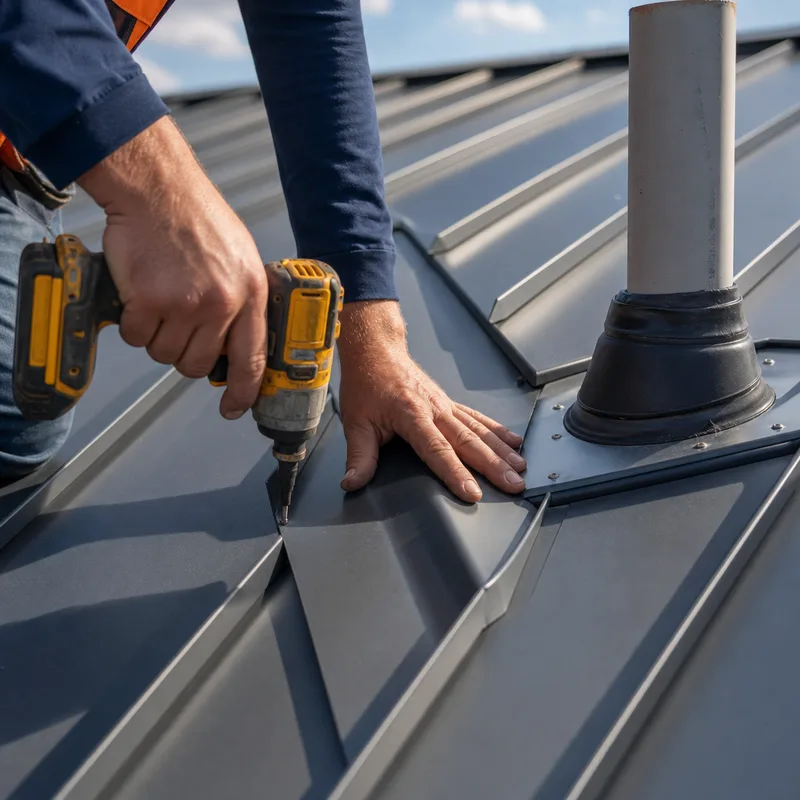
Leaks most often come from penetrations and transitions, not from the middle of the panels. Pipe boots, skylights, chimneys, sidewalls, and valleys need shaped flashing, correct overlap, and correct fastening. On exposed-fastener systems, fastener placement and washer condition also matter over time.
Many residential jobs take about 2 to 5 days once work starts, but timing depends on tear-off, decking repairs, roof complexity, and weather. Roofs with multiple dormers, steep slopes, or masonry details commonly take longer because the flashing work is more involved.
With a typical residential assembly of sheathing, underlayment, and attic insulation, metal roofing noise is usually comparable to other roof types inside the home. The biggest differences show up in buildings with open framing or minimal insulation, where any roof material transmits more sound.
Share a few details about your roof and what you want to change. Metal Roofing Columbus will confirm the best system for your building in Columbus, provide a written scope you can compare, and explain the details that protect the roof long term.