
Roof panels and wall panels
Common agricultural and commercial profiles, plus residential options, in lengths that reduce seams and simplify layout. We will confirm coverage widths and side-lap details so your takeoff matches what arrives.
Serving Columbus, Ohio & surrounding areas
Mon–Sat · 7am–7pm
Get the right panels, trim, and fasteners the first time, with guidance on profiles, gauges, finishes, and takeoffs for Central Ohio jobs.
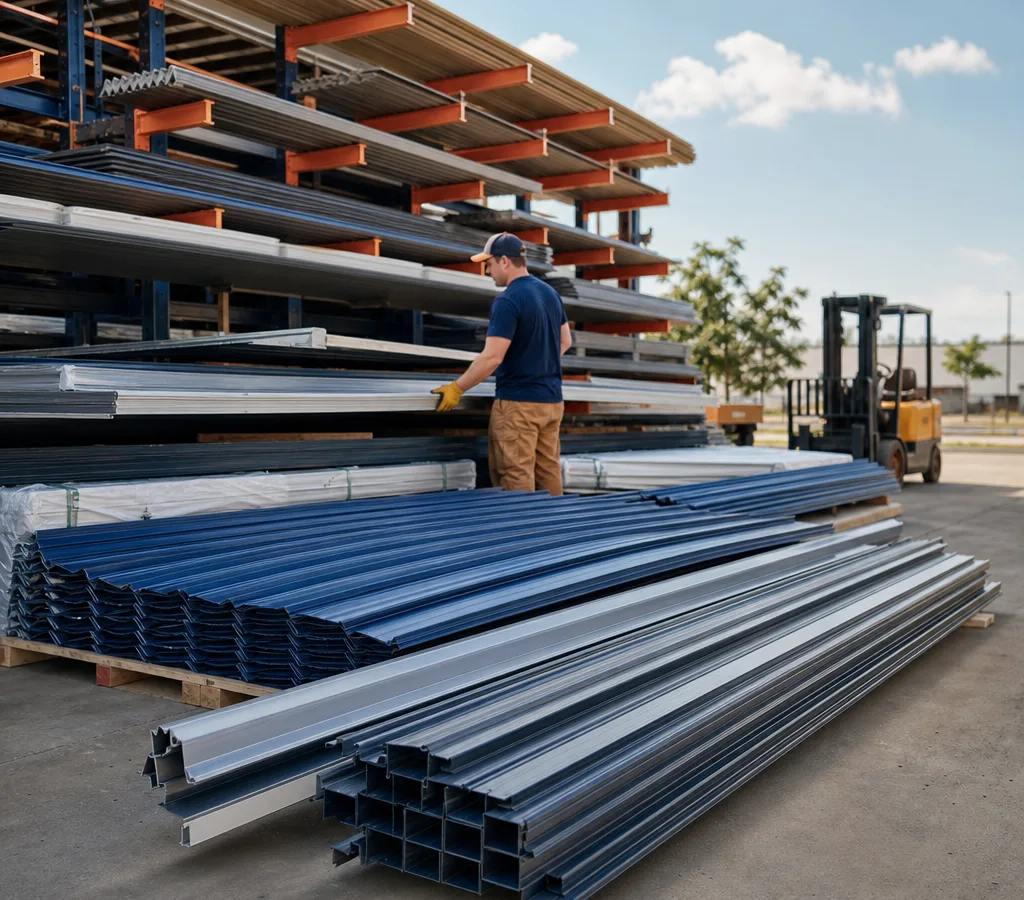
If you are sourcing Columbus metal building & roofing products for a home, farm, or commercial project, the details matter: panel profile, metal thickness (gauge), coating system, and the right accessory package to keep water out at laps, penetrations, eaves, and transitions.
Metal Roofing Columbus supplies practical, job-ready product packages for projects across Columbus, OH. That usually means helping you choose between exposed-fastener panels and standing seam, matching wall and roof colors, building a complete trim list, and pairing fasteners and sealants that make sense for the substrate and roof pitch.
Columbus sees big swings in weather. Wind-driven rain, freeze-thaw cycles, and heavy spring storms punish weak details. Clean curb appeal starts with the panel you pick, but it lasts because the ridge cap, pipe boots, closures, underlayment, and fastener pattern were chosen correctly.
Common agricultural and commercial profiles, plus residential options, in lengths that reduce seams and simplify layout. We will confirm coverage widths and side-lap details so your takeoff matches what arrives.
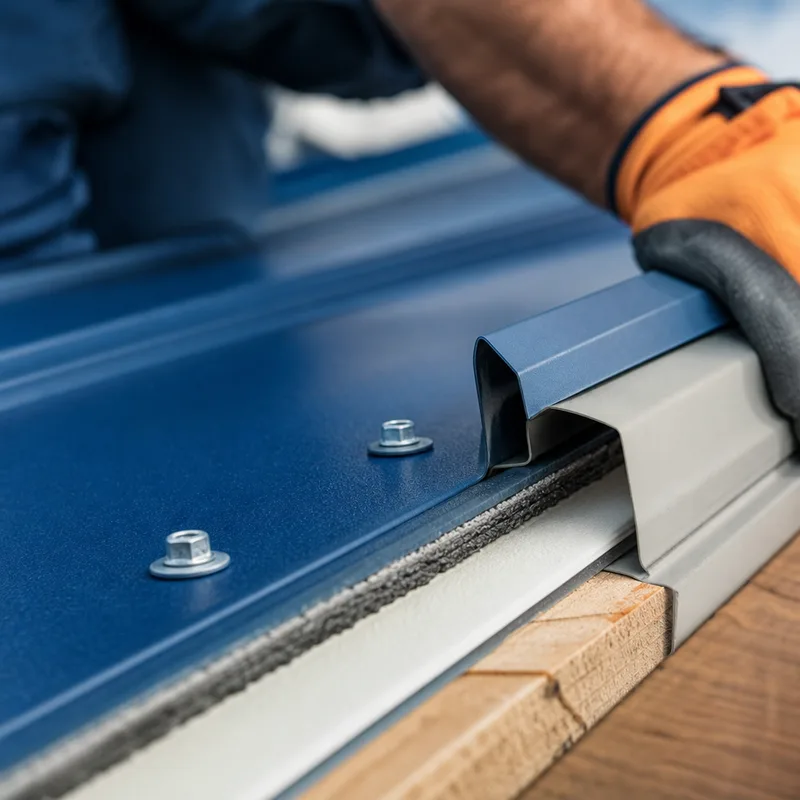
Rake, eave, ridge, valley, endwall and sidewall transitions, head and sill trim, J-channel, and other pieces that finish edges and keep water from migrating behind panels.
Exposed-fastener screws with washers, stitch screws, and accessories selected for wood framing, steel purlins, or solid decking, along with guidance on spacing and placement.
Peel-and-stick and synthetic underlayments, foam closures, butyl tape, and sealants that support the panel system at overlaps, ridges, and transitions.
Ridge vent options, pipe boots, snow retention considerations where needed, and other components that reduce callbacks around common leak points.
Help comparing painted metal finishes and color choices so the roof and wall package stays consistent, including how sheen and sunlight can change how a color reads on-site.
Most product problems are really selection problems. Two panels can look similar on the ground and behave very differently once they are on a roof.
Exposed-fastener panels are popular for many metal building applications because they are cost-effective and straightforward to install. The tradeoff is that fastener placement, washer compression, and long-term maintenance matter more because penetrations are part of the system.
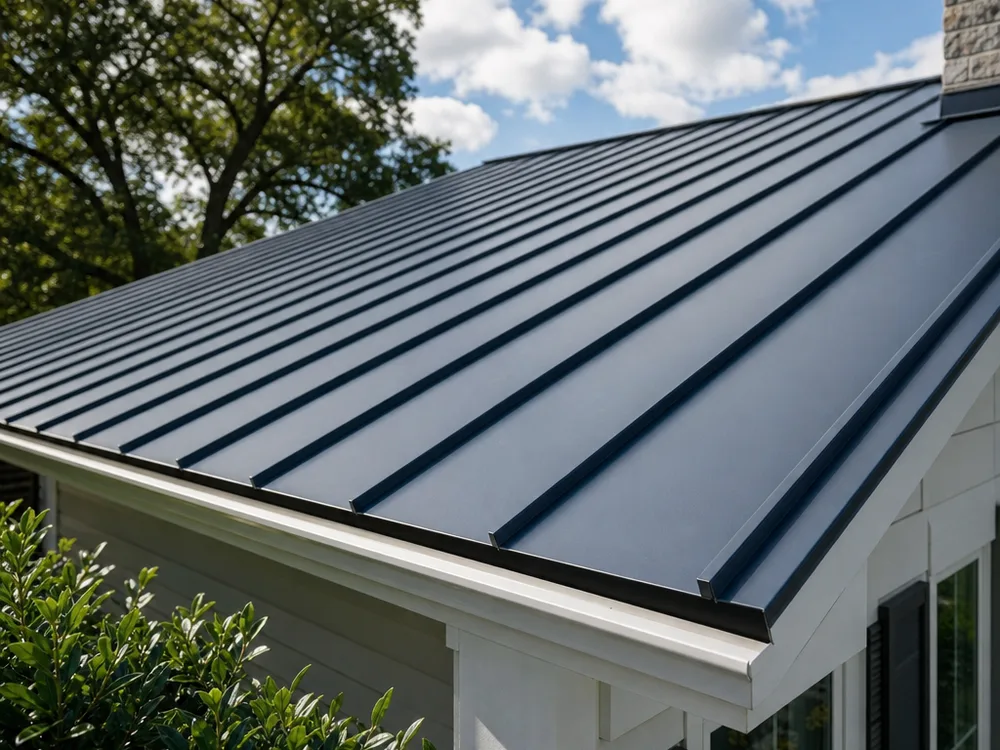
Standing seam systems hide fasteners and are often chosen when the priority is a clean look and long-term water management, especially on lower-slope roofs where detailing matters. Panel seam type, clip selection, and transition trim all affect performance.
Whichever direction you go, we will help you confirm:
If your project includes a full roof system, our Metal Roofing work is built around the same core details: correct takeoffs, compatible components, and clean finishing so the system performs as intended.
Share the building use (roof, wall, or both), approximate dimensions, slope, and any special conditions like skylights, chimney flashing, or a wall transition. Photos and basic sketches help.
We narrow options to what fits your goals: exposed-fastener versus standing seam, desired look, expected wear, and budget. We also talk through color consistency across panels and trim.
We build a materials list that includes the items that prevent delays: trim pieces, closures, underlayment, tape, sealant, and the right fasteners for your substrate.
Once the scope is confirmed, we coordinate lead times and staging so materials show up when your crew is ready. If you are doing a phased build, we can plan the order in logical lots.
Metal panels can be long and easy to damage if handled incorrectly. We will talk through safe transport, unloading space, and how to store bundles on-site to avoid edge damage and oil canning.
Product selection is never one-size-fits-all, and Columbus has a few realities that should shape your order.
Seasonal swings and moisture: Central Ohio sees humid summers and cold winters. That means condensation control and ventilation planning matter for metal buildings, especially on agricultural and storage structures. The right underlayment, venting strategy, and closure details reduce moisture issues that can show up as drips, staining, or premature corrosion in confined spaces.
Storm-driven water at transitions: Heavy rain events reward good trim work. Endwall and sidewall transitions, valleys, and penetrations are where problems show up first. Building a complete trim and sealant list up front is usually cheaper than making supply runs mid-job.
Mixed building stock: Columbus has everything from older neighborhoods with more roof penetrations and complex geometry to newer suburban construction with simpler planes. A straightforward gable roof may need fewer specialty parts, while cut-up roofs often need more custom trim planning and a tighter accessory checklist.
If you want a quick sanity-check before ordering, bring your measurements and a few photos. We will help you spot the common misses: missing closures, wrong fastener type for steel framing, not enough ridge material, or trim that does not match the panel profile.
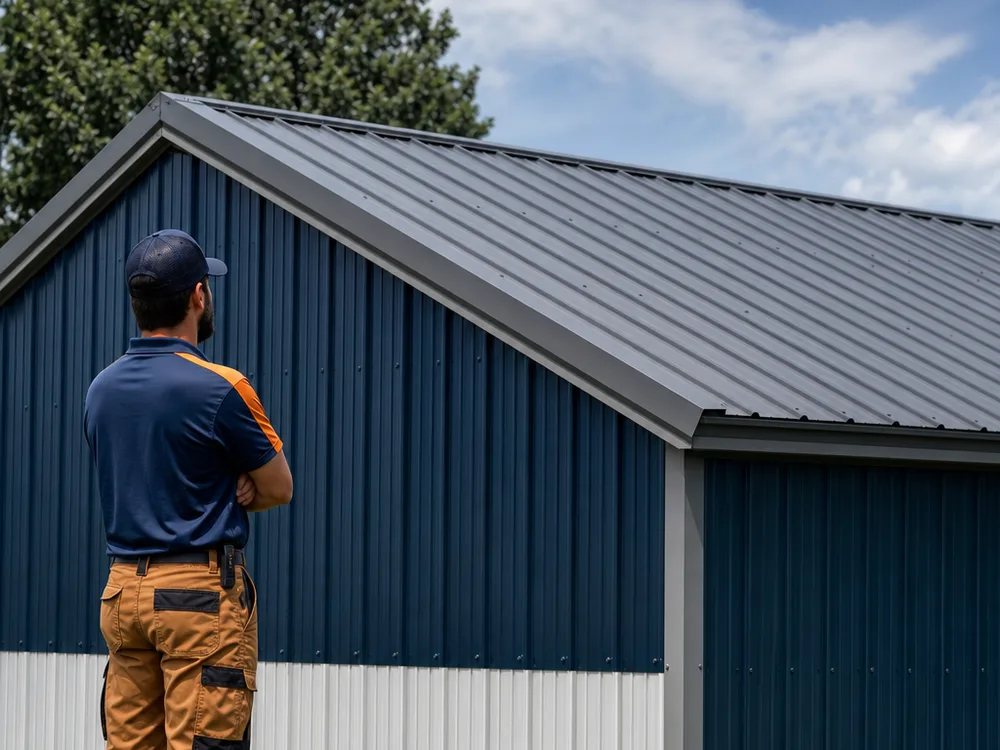
Material cost typically lands around $3 to $10+ per square foot for many Columbus metal building and roofing product packages, depending on panel type (exposed-fastener versus standing seam), gauge, finish, trim complexity, and accessory needs. Smaller, simple orders—a basic roof with standard trim—are usually on the low end, while custom colors, thicker metal, longer panel lengths, and detailed flashing packages push pricing higher.
Final cost depends on exact measurements, roof geometry, penetration count, and lead time, and it is confirmed from the takeoff and product list you approve.
Bring roof or wall dimensions, slope (if it is a roof), panel direction, and photos of edges and penetrations, because trim and accessory quantities depend on transitions and details. A simple sketch with lengths, ridge and eave runs, and locations of pipes, vents, or wall tie-ins helps us build a complete takeoff instead of guessing.
Yes, fastener type is chosen for the substrate, because the thread design and point style differ for wood versus steel. Using the wrong screw can strip out, leak, or fail early, so we confirm what you are fastening into before recommending quantities and spacing.
Choose exposed-fastener panels when value and speed matter most and the roof design works well with visible fasteners, and choose standing seam when you want concealed attachment and a cleaner finished look. Your roof pitch, the number of penetrations, and the transition details—walls, valleys, and skylights—are usually the deciding factors.
Closures, butyl tape, the correct sealant, and the full trim set are the items that most often cause delays. Ridge and eave details, sidewall and endwall transitions, and penetration flashings also need to match the panel profile, so we build the accessory checklist at the same time as the panel takeoff.
In most cases, yes, as long as the products are specified in the same color system and finish family and ordered together. We also talk through how gloss level and sunlight exposure can make the same color read slightly different across surfaces, especially on large wall elevations.
Order timing depends on profile, color, and whether panels are being run to length, but it is smart to plan ahead so the build is not waiting on materials. If you share your target start date, we can recommend a realistic ordering window and help you prioritize items that commonly drive lead time.
Send your measurements, photos, or drawings and we will help you choose the panel system, confirm the trim and fasteners, and build a clean takeoff for your Columbus project.