
Full roof replacement
Replacing the existing roofing system, even with similar materials, is a common trigger for review, especially if the tear-off exposes decking or ventilation changes.
Serving Columbus, Ohio & surrounding areas
24/7 Response • Answered live
One call instead of ten No web forms, no callback spam Booking Fall & Winter 2026
If you are planning roof work in Columbus, permits and inspections can decide your timeline. Use this guide to understand when a permit is required, what typically gets reviewed, and how to keep a project moving without compliance headaches.
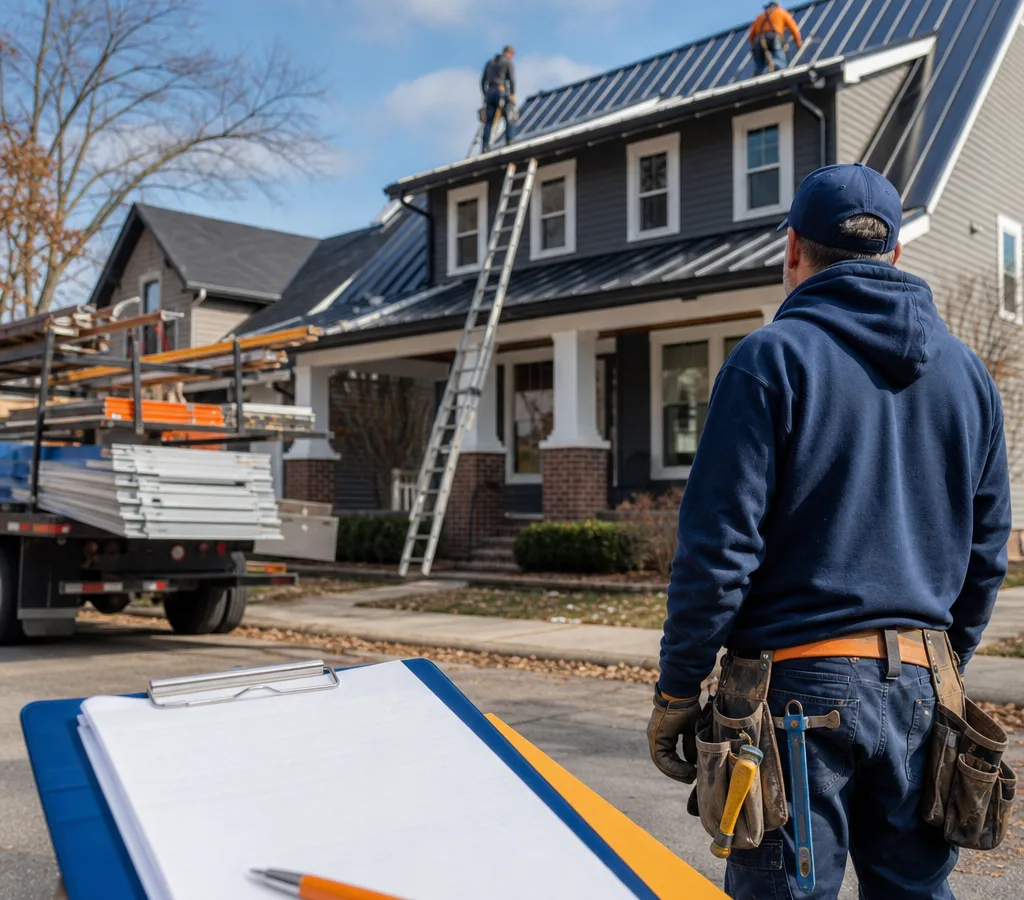
A Columbus roofing permit is the City of Columbus' way to document and inspect certain roof work for code compliance and public safety. It is typically tied to the property address and scope of work, and it sets the inspection path if inspections are required for your job.
Permits matter for practical reasons, not just paperwork. They can affect:
This guide is general information for Columbus property owners and managers. Requirements can vary by project details, so treat it as a prep checklist and a way to ask better questions before work starts.
Replacing the existing roofing system, even with similar materials, is a common trigger for review, especially if the tear-off exposes decking or ventilation changes.
If rotten sheathing, truss issues, or framing repairs are part of the scope, expect closer scrutiny. Structural work often changes what documentation is needed.
Adding, removing, or moving vents, stacks, skylights, or other penetrations can shift the job beyond a simple re-cover and into a more review-heavy permit.
If the roof is part of a new build, dormer, or addition, the roof scope is typically reviewed under the broader building permit rather than as a stand-alone roofing permit.
Multi-family properties, commercial buildings, and properties with unusual access or safety constraints can require additional documentation and inspection planning.
For a Columbus roofing permit, reviewers are usually trying to confirm the roof system will meet code requirements for weather protection, fire and structural safety, and safe installation methods.
You can reduce back-and-forth by having these basics clear before the application is submitted:
In older neighborhoods close to the urban core, homes often have multiple roof planes, additions, or legacy flashing details that need careful documentation once the old roof comes off. Planning for that reality makes the permit process smoother.
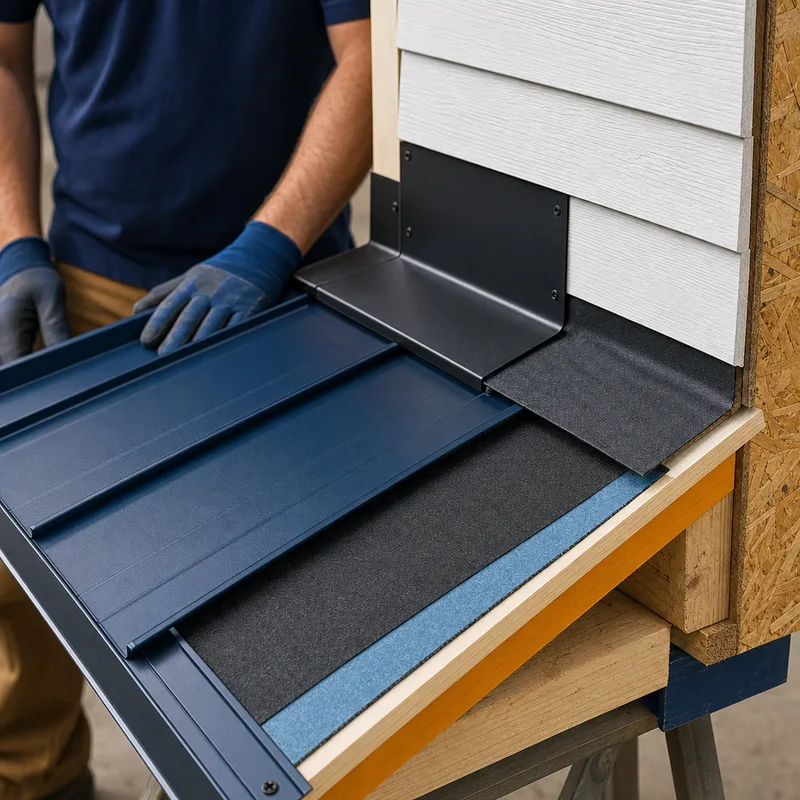
Write down what is being replaced and what might be discovered, such as damaged decking. Permit requirements often change when repairs move beyond a like-for-like surface replacement.
Decide up front whether the contractor or the property owner will be listed as the applicant. That choice affects communication, corrections, and who schedules inspections.
The City may request product and system details, basic drawings, or notes about penetrations and ventilation. The more complete the scope, the fewer correction cycles you tend to hit.
Some roof jobs are inspected at defined points. If decking replacement or other repairs are anticipated, plan for a pause so an inspector can see what is needed before it is covered.
If you uncover conditions that change the scope, document them and address them the right way. Photos and written notes help keep the project aligned with what was approved.
Keep the permit record and inspection sign-off with your property documents. It can be useful later for warranty questions, insurance claims, and resale.
Columbus roofing projects have a few recurring realities that can impact permit timing and how you plan the work.
Weather windows are real. Central Ohio can swing quickly between clear days and heavy rain, and winter brings freeze-thaw cycles that make temporary dry-in work riskier. If your permit approval or inspection schedule is tight, build in breathing room so the roof is never left in a vulnerable state.
Tighter lots change logistics. Areas with smaller setbacks and shared driveways can complicate staging and tear-off cleanup. That matters because safe access and debris control are part of doing the work responsibly, and it can influence how you schedule the job.
Older housing stock can hide surprises. In neighborhoods like German Village and Victorian Village, rooflines, additions, and older framing details can increase the chance that the final scope differs from the initial plan once the existing roof is removed. If you plan for the possibility of decking replacement, you are less likely to get stuck mid-project.
If you need a contractor who can coordinate scope, documentation, and field conditions as they are uncovered, start with Metal Roofing Columbus Ohio for a straightforward plan before work begins.
If you want fewer delays, start with a written scope that clearly states tear-off vs. overlay, anticipated decking repair allowances, and how inspections will be handled if the City requires them.
Often, yes, especially when the work is more than a simple surface swap or when repairs are expected. The safest approach is to confirm permit requirements with the City for your address and scope before ordering materials or scheduling tear-off.
In many cases the contractor pulls the permit because they control the installation details and inspection coordination, but owners can sometimes apply depending on the job and local rules. What matters is choosing one responsible party up front so corrections, inspection scheduling, and scope changes do not get stuck in limbo.
It depends on how complete the application is and whether the City requests corrections, but the approval timeline can range from a quick turnaround to longer when details are missing or the scope is complex. Submitting clear scope notes, material and system information, and penetration or ventilation changes helps reduce review cycles.
If decking replacement or structural repair changes the originally stated scope, you may need to document it and, in some cases, revise what is on file before covering the work. Plan for this possibility in your contract scope and schedule so you can pause for documentation or inspection when needed.
Some roofing permits require inspections, and others may not, depending on the scope and what is being changed. The permit record will indicate inspection requirements; if an inspection is required, plan the job so critical layers such as decking repairs or underlayment details can be verified before they are covered.
At minimum, have the property address, a clear scope including tear-off versus overlay and anticipated repairs, and the roofing system details such as materials, underlayment, flashing approach, and penetration or ventilation changes. If the building is multi-family or commercial, expect more documentation and coordination.
Yes, permit and inspection timing can affect scheduling when contractors are busy and weather windows are narrow. If you are planning a replacement, start the permit conversation early and avoid scheduling tear-off until you know the approval and inspection path for your scope.
You can end up needing a retroactive permit, additional documentation, and possibly rework if an inspection cannot verify what was covered. It is usually faster and cheaper to confirm requirements early and keep the work aligned with what the City expects.
Share your address and a brief scope, and Metal Roofing Columbus can help you map the likely permit and inspection steps, identify the details that usually trigger corrections, and plan a schedule that keeps the roof protected throughout the project.